
ATLAS Facility
Multiple high repitition rate petawatt laser systems and dedicated target chambers. The facility will be available through LaserNetUS.


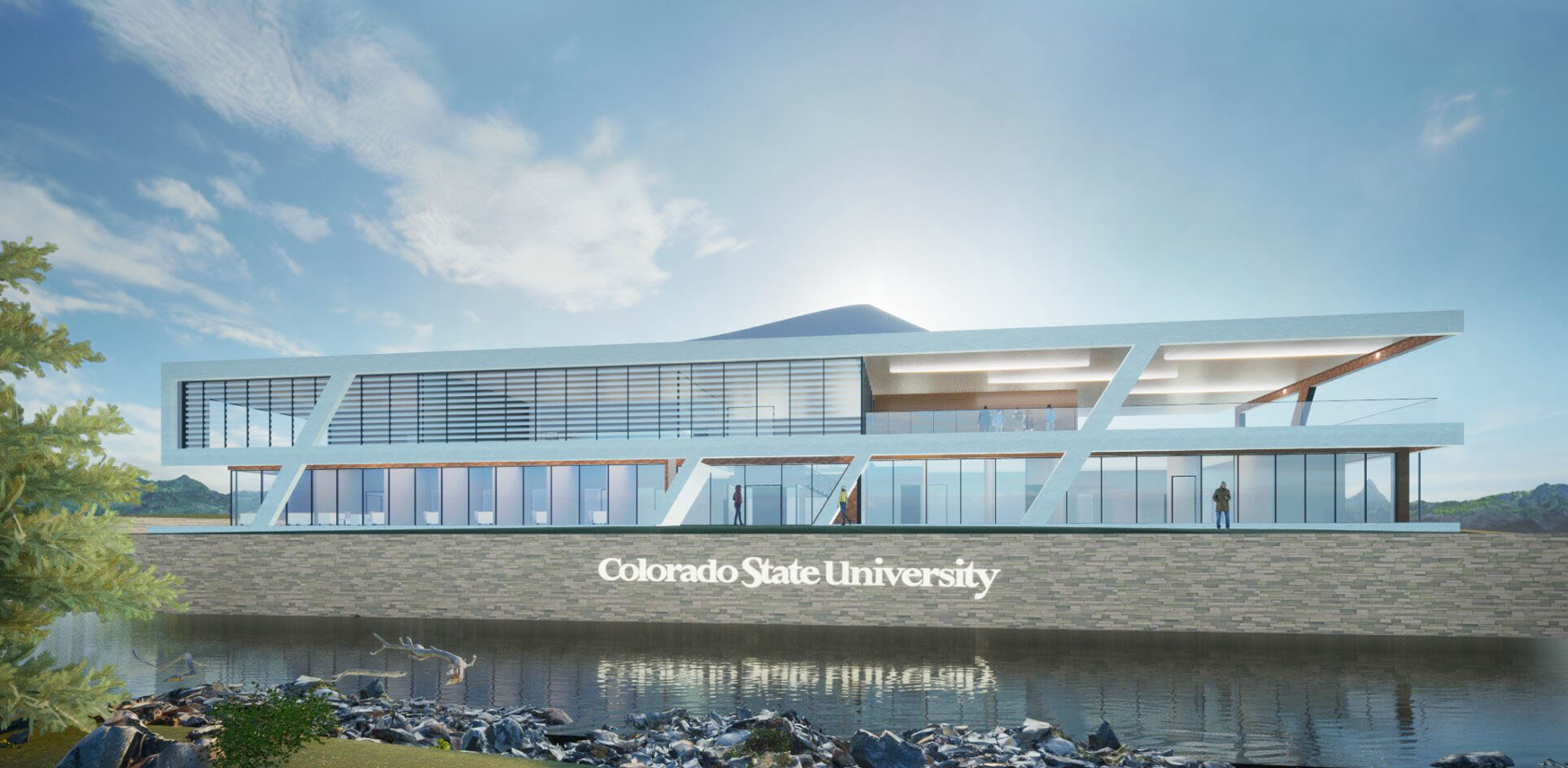
The Inertial Fusion Science and Technology (RISE) is led by Colorado State University (CSU). The Hub focuses on four key areas: theoretical design of Inertial Fusion Energy (IFE) concepts, experimental laser driver technology development, IFE target innovation, and validation of fusion concepts. This initiative will explore both krypton fluoride (KrF) and solid-state laser drivers, with an emphasis on high efficiency and innovative target designs. The RISE Hub leverages state-of-the-art facilities, such as Xcimer Energy’s Phoenix and SLAC MEC facilities, to conduct experiments in high-energy laser physics, as well as CSU’s ALEPH laser to improve coupling efficiency with fusion targets. Significant upgrades supported by project partners will further enhance these capabilities, enabling the exploration of advanced target physics and the development of scalable technologies for IFE energy systems. Additionally, the initiative emphasizes workforce development by training future scientists and engineers to support the advancement of fusion technologies in alignment with the Department of Energy’s fusion energy mission.


CSU and SLAC offer world-class capabilities in laser science, high-energy-density physics, advanced laser technologies, materials science, and engineering that position them to play a leading role in advancing inertial fusion energy.

