
Guiding Report

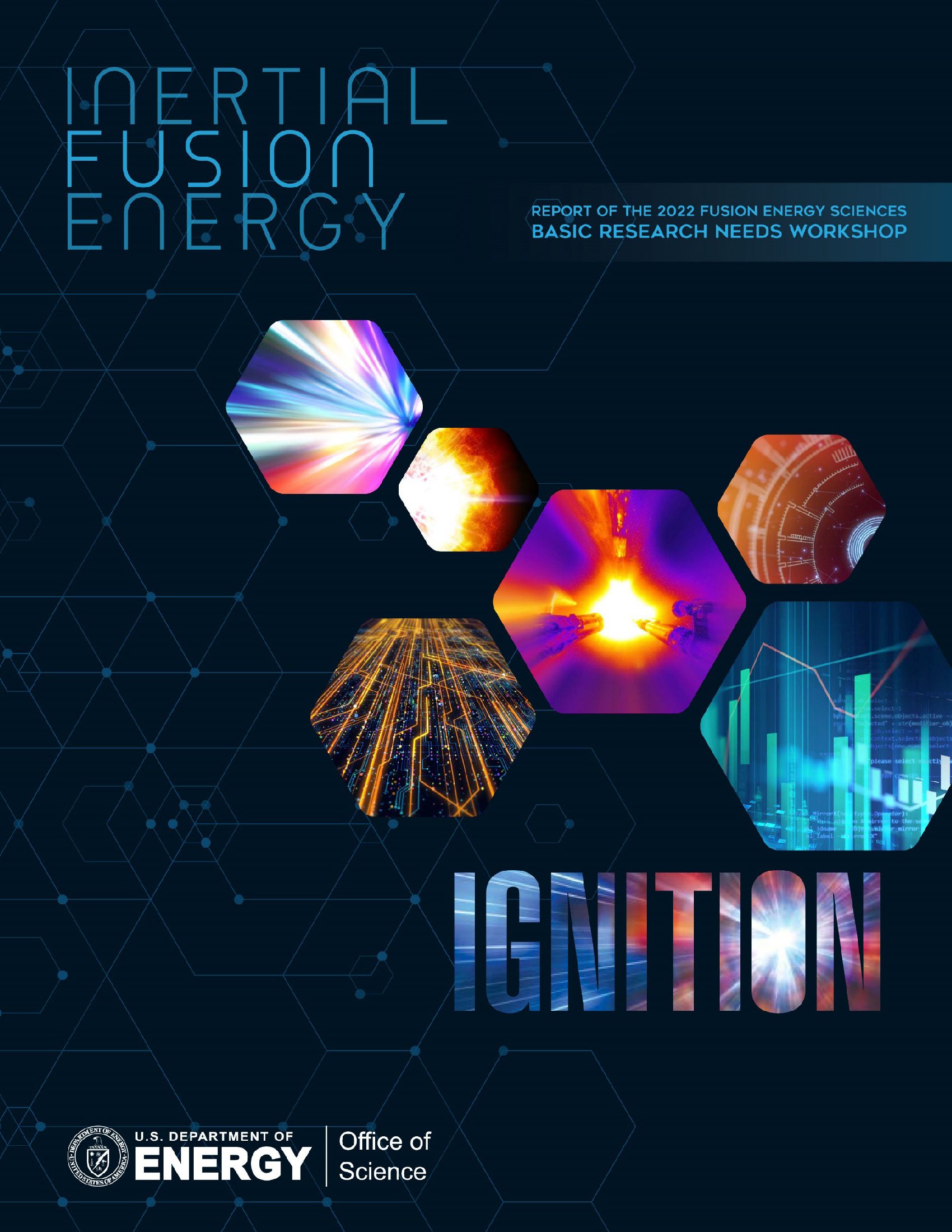
The 2022 DOE Office of Science Basic Research Needs Workshop on IFE

The Committee was charged to
  • Check circle icon
    Asses enabling science and technologies common to Inertial Confinement Fusion and IFE and define a set of proposed priority research directions that address the research and development (R&D) challenges unique to IFE, along with evaluation criteria to assess ongoing progress in an IFE technology development program.
  • Check circle icon
    Assess the maturity and potential of the various IFE concepts toward a path to a viable IFE fusion pilot plant. Use Technology Readiness Level (TRL) methodology to guide the R&D
  • Check circle icon
    Assess the role of the private sector, including public-private partnerships in a national IFE Program and design of fusion pilot plant.
IFE Basic Research Needs Final Report 1

Explore Core Research in Fusion Energy

Driving innovation to address gaps in fusion science and enabling technologies

IFE Physics​

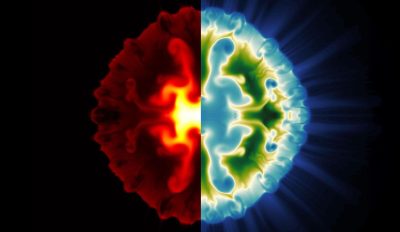
For any fusion energy system, achieving a burning plasma is essential for self-sustaining fusion. A burning plasma is a state where fusion reactions provide most of the heat needed to sustain the process. Inertial fusion energy targets are central to these systems, as they contain the fuel that transitions into a burning plasma. Their design and physics are critical for compressing, heating, and igniting the fuel to release fusion energy. It is within these targets that this transformation occurs.
Driver Development

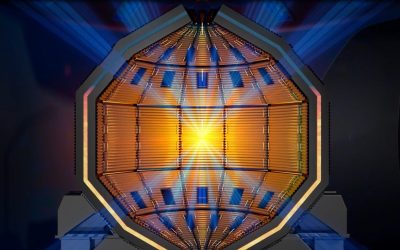
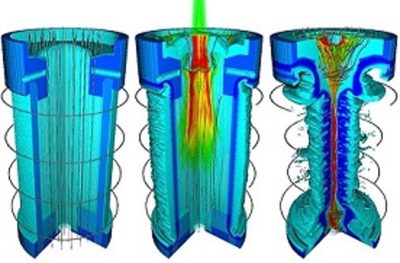
In Inertial Fusion Energy systems, the fusion process is initiated by external energy sources known as drivers, which include high-energy lasers, ion beams, or electromagnetic compression devices. For instance, the National Ignition Facility driver is one of the most complex optical systems, featuring 192 laser beams. It is a marvel of engineering and successfully fulfills its intended mission. For IFE to become a practical power source, drivers must be designed with the energy mission in mind. It is crucial that IFE drivers, including electromagnetic compression devices, operate at high repetition rates, at low cost, and with acceptable efficiencies.

Target Technologies

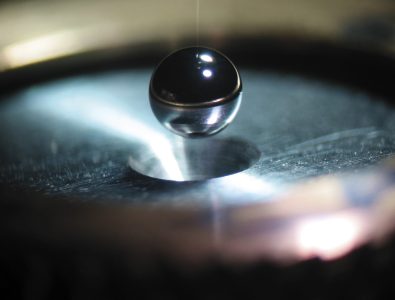
In IFE systems, the fusion process relies on precisely engineered targets that contain fusion fuel and enable the extreme conditions required for ignition and high fusion gain. These targets may take different forms depending on the driver and confinement approach.

System Engineering

For Inertial Fusion Energy to become a viable energy source, development needs to go beyond just improving target design (fuel) and drivers (such as lasers, pulsed power, or heavy ions). It’s also essential to focus on other key components, such as the reaction chamber, fuel cycle, functional materials, structural materials, blanket technologies, and the overall system’s maintenance and integration.

AI & Simulations

In Inertial Fusion Energy systems, the fusion process is initiated by external energy sources known as drivers, which include high-energy lasers, ion beams, or electromagnetic compression devices. For instance, the National Ignition Facility driver is one of the most complex optical systems, featuring 192 laser beams. It is a marvel of engineering and successfully fulfills its intended mission. For IFE to become a practical power source, drivers must be designed with the energy mission in mind. It is crucial that IFE drivers, including electromagnetic compression devices, operate at high repetition rates, at low cost, and with acceptable efficiencies.
Resources

Core Resources for the Fusion Energy Community